

What it is, whether it works, how it compares to fluoride, and why the percentage on the label is the only part most brands hope you skip.
Toothpaste marketing runs on words that sound scientific. This ingredient actually is. Nano-hydroxyapatite nHA, if you value your time is the same mineral your enamel is made of, manufactured at a particle size small enough to repair it. It is the most interesting thing to happen to toothpaste in decades, and it is the active ingredient in our Clean Mint formula. Here is the full picture, including the parts where fluoride deserves fair credit.
What Is Hydroxyapatite Toothpaste?
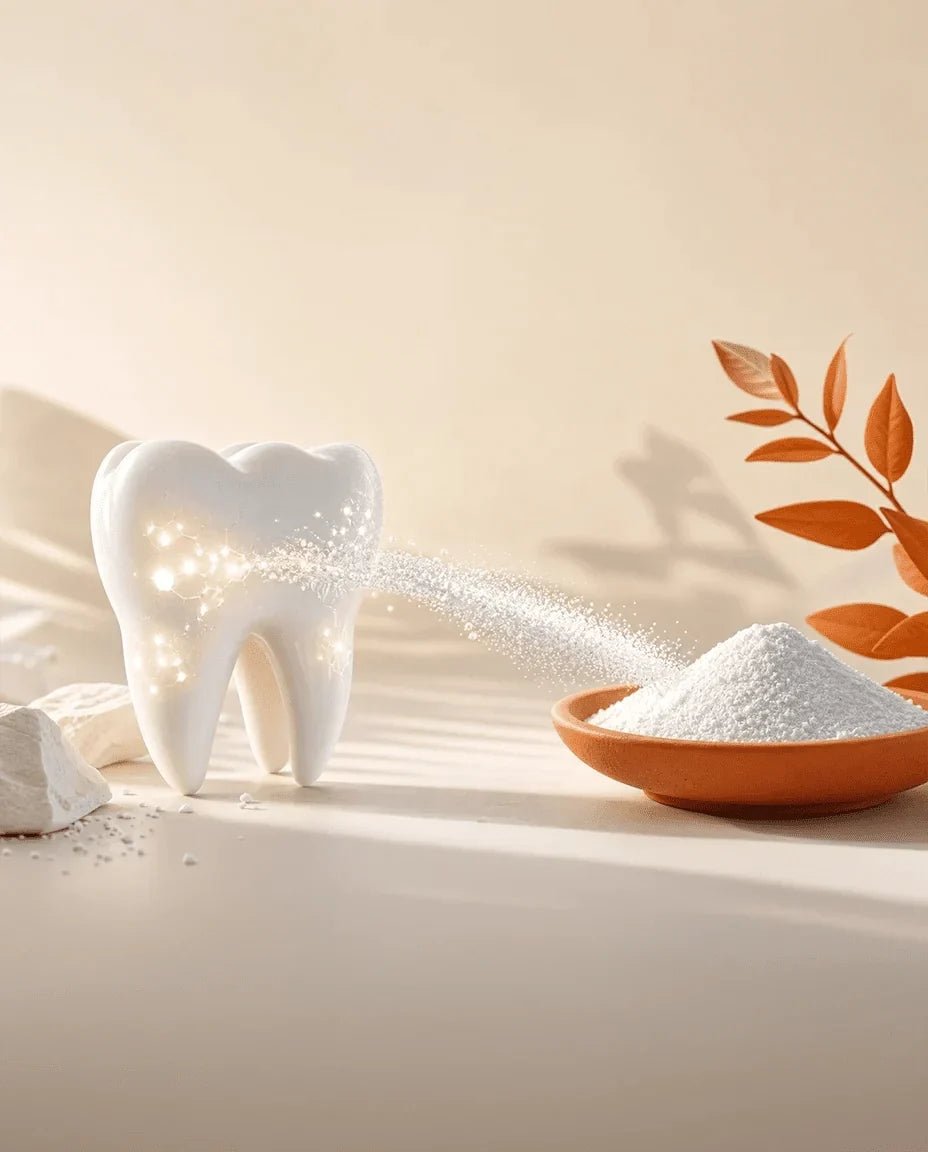
Hydroxyapatite is a calcium phosphate mineral the primary building material of your teeth. Enamel is roughly 97% hydroxyapatite. Dentin, the layer beneath, is about 70%. Hydroxyapatite toothpaste contains this same mineral in synthetic form, so that brushing delivers the raw material of enamel directly to enamel.
The "nano" matters. Nano-hydroxyapatite is produced at particle sizes small enough to bond into the microscopic defects and demineralised zones of the enamel surface filling and rebuilding rather than merely coating. Japan has used nHA in toothpaste since the 1980s; it was originally developed in connection with NASA research on mineral loss. This is not a wellness trend. It is materials science with four decades of use behind it.
Does Hydroxyapatite Toothpaste Work?
Yes with a specific meaning of "work". Every day, acids from food and bacteria pull minerals out of your enamel (demineralisation). Saliva puts some back (remineralisation). Cavities happen when the ledger runs negative for long enough. nHA toothpaste adds enamel's own mineral to that ledger: it deposits bioavailable calcium and phosphate directly into weakened enamel, rebuilds early demineralised spots, smooths the surface so stains and bacteria adhere less, and reduces sensitivity by plugging exposed dentin tubules.
Peer-reviewed studies have repeatedly found nHA comparable to fluoride toothpaste for preventing demineralisation and remineralising early lesions. Note the word early: no toothpaste repairs an actual cavity. A hole in a tooth is a dentist's job. What toothpaste can do is stop weak spots from becoming holes and nHA does that with the same material the tooth uses.
Hydroxyapatite vs Fluoride: What Is the Difference?
Different mechanisms, same goal. Fluoride works by converting the outer enamel layer into fluorapatite a harder, more acid-resistant mineral than the original. It hardens what remains. nHA replaces lost mineral with the identical substance enamel is made of. It rebuilds what was lost.
Fluoride has seventy years of public health evidence and it works. It is also dose-sensitive which is why kids' toothpaste comes in rice-grain amounts and why swallowing it is a poison-control phone call. nHA is biomimetic: it is tooth mineral. Swallowed, it is calcium and phosphate. There is no overdose pathway and no fluorosis risk.
Neither is universally "better". They are different tools. We chose nHA for Clean Mint because rebuilding with the native material, with no dose anxiety, is the design philosophy of the whole routine: work with the mouth's own biology. If your dentist has prescribed high-fluoride toothpaste for active decay, follow your dentist. That is not marketing generosity. It is how we would want to be advised.
Is Hydroxyapatite Toothpaste Safe?
Yes. Hydroxyapatite is what your teeth and bones are already made of. It is biocompatible, non-toxic when swallowed, and has been used in dental and medical applications bone grafts, implant coatings for decades. The European SCCS reviewed nano-hydroxyapatite in oral care and concluded it is safe in toothpaste at the concentrations used.
Is it safe for kids?
It is arguably the ideal kids' formula, for one blunt reason: children swallow toothpaste. With fluoride, that is a dosing problem. With nHA, what goes down is the same mineral their growing teeth are made of. No fluorosis risk, no rice-grain rationing. Supervise brushing anyway. That part does not change.
Why 10% Nano-Hydroxyapatite Matters
Here is the part of the label most brands hope you do not read: concentration. Research puts effective nHA remineralisation at roughly 5–15%, with around 10% as the well-supported benchmark. Plenty of toothpastes add a trace of nHA for the ingredient list and price it like the real thing.
MasterMedi Clean Mint is formulated at 10% nHA. Not because the number is round, but because that is where the evidence sits. If a brand does not publish its concentration, that is your answer. The percentage is the product. Ask for it.
Nano vs micro hydroxyapatite
Same mineral, different particle size. Micro-hydroxyapatite particles are larger they polish and coat the surface but integrate less readily into microscopic enamel defects. Nano-scale particles penetrate and bond into demineralised zones. If repair is the goal, nano is the version doing the repairing.
What Else Should Be in the Tube and What Should Not
nHA handles remineralisation. A serious formula covers the rest of the job. Clean Mint runs four actives: 10% nHA to rebuild enamel, PAP to lift surface stains without peroxide or sensitivity, Xylitol a sugar alcohol that cavity-causing bacteria consume and cannot metabolise, which kills them (the rare ingredient that is both sweetener and weapon) and a probiotic to support the oral microbiome instead of carpet-bombing it.
What is SLS in toothpaste?
Sodium Lauryl Sulfate the foaming agent in most mainstream toothpaste. It cleans nothing. Foam is theatre. SLS is also a known irritant linked to canker sores in susceptible people, and it temporarily scrambles your taste receptors (why orange juice after brushing tastes like regret). There is no functional reason for it to be in your toothpaste. It is not in ours.
What to Expect: Before and After
Week one: teeth feel smoother that is surface defects filling in. Weeks two to four: sensitivity drops as dentin tubules seal, and surface stains lift if the formula includes a whitening active like PAP. Ongoing: stronger, more acid-resistant enamel and less new staining, because bacteria and chromophores have less texture to grip. nHA is a compounding investment, not a facelift. The mechanism is consistency.
Quick Answers
Is fluoride-free toothpaste good? Only if something effective replaces the fluoride. Fluoride-free with 10% nHA is a remineralising toothpaste. Fluoride-free with baking soda and optimism is flavoured paste.
Does remineralizing toothpaste work? On early demineralisation, yes nHA and fluoride both have evidence. On actual cavities, no. Nothing in a tube fills a hole.
How much should I use? A pea. More paste is not more repair; it is more spitting.
Should I rinse after brushing? No. Spit and stop. Rinsing washes the active ingredients down the drain before they finish working. Give it 30 minutes.
Does toothpaste expire? Yes actives degrade. Check the date; typically around two years. Expired paste is not dangerous, just decorative.
Is nHA good for sensitive teeth? One of the better options available it seals exposed tubules rather than numbing the nerve. No peroxide in the formula helps too.
The Bottom Line
Nano-hydroxyapatite is the rare oral care ingredient where the science, the safety profile, and the logic all point the same direction: repair enamel with the material enamel is made of. The variables that matter are concentration and formulation honesty 10%, published, with actives that each earn their place.
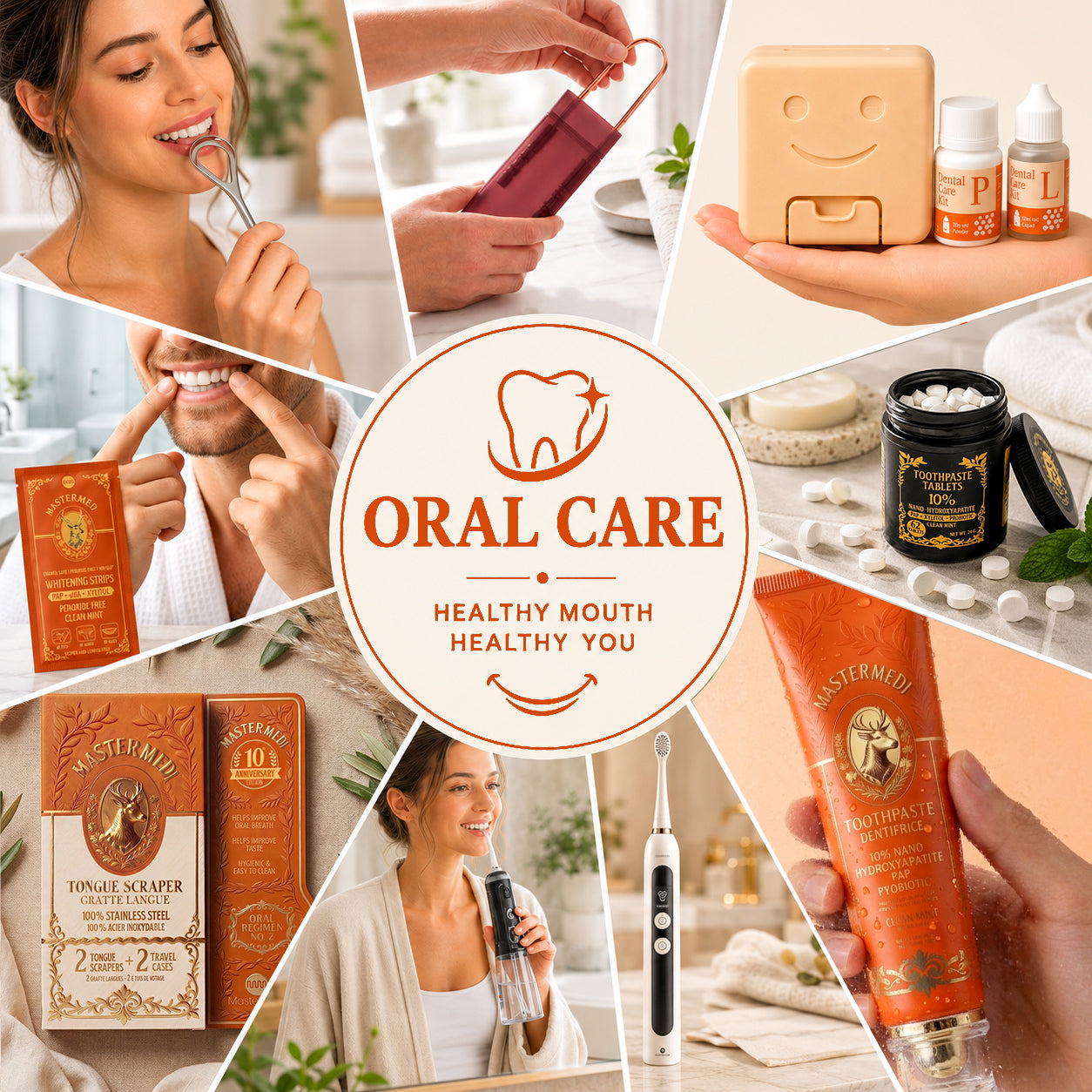
That is Clean Mint. Step III of the routine after flossing, after scraping, on a mouth that has been properly prepared. Prefer it without the tube and the water? The same philosophy comes as Toothpaste Tablets. Medi formulated both. He is not surprised they work.


Leave a comment
This site is protected by hCaptcha and the hCaptcha Privacy Policy and Terms of Service apply.